
Regular Abstract Submission
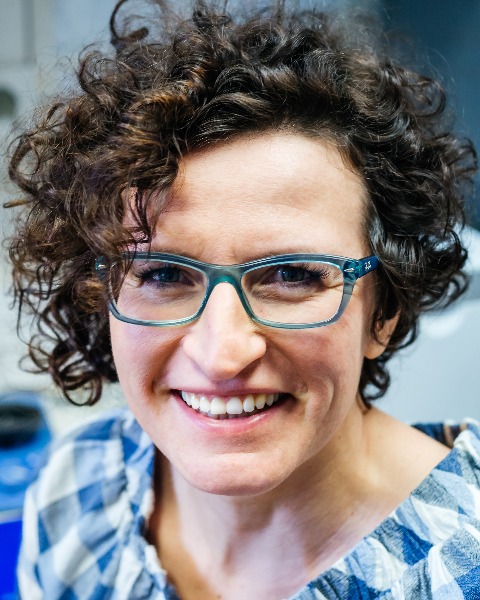
Monika M. Kaczmarek, Prof.
Team Head/Director General
Institute of Animal Reproduction and Food Research, Polish Academy of Science
Olsztyn, Poland
Maternal Undernutrition During Lactation Shapes Single-Cell Transcriptomic Profile of the Postnatal Offspring Hypothalamus in a Sexually Dimorphic Manner in Mice
Dominika Gutkowska-Kawka1; Maria M. Guzewska1; Tomasz Molcan1; Kamil Myszczynski1; Malgorzata Sikora1; Monika M. Kaczmarek1
1. Institute of Animal Reproduction and Food Research of the Polish Academy of Sciences, Olsztyn, Poland
Abstract Text:
Emerging research highlights sex-specific mechanisms through which maternal nutrition influences reproductive health and impacts fertility across generations. Early-life nutritional deficiencies can have long-lasting effects on health by shaping phenotypic trajectories. The hypothalamus, a heterogeneous brain region essential for regulating energy balance and reproductive function, is particularly sensitive to nutritional cues. While fetal growth restriction has been associated with an increased risk of adult diseases, the impact of postnatal nutritional experiences on hypothalamic development at the cellular level remains poorly understood. In this study, we integrate findings from our previous research on metabolic and reproductive traits in offspring of lactation-undernourished dams with single-cell transcriptomic profiling of the hypothalamus at weaning. This approach aims to identify cellular and molecular alterations induced by maternal dietary restriction during lactation and to elucidate the sexually dimorphic effects of early-life nutritional stress on hypothalamic development.
Newborn pups (F1) were assigned to one of two experimental groups: a control group (CON), in which dams were fed ad libitum, or a lactation undernutrition group (LUN), in which dams received 50% of the daily chow intake of control mothers. At weaning (postnatal day 21, PND21), male and female pup brains were rapidly dissected, and the hypothalamus was immediately isolated. Single-cell suspensions were prepared through enzymatic dissociation using proteinase XXIII, followed by OptiPrep gradient centrifugation. Isolated cells were then fixed and processed for single-cell RNA sequencing (scRNA-seq) library construction using the ScaleBio protocol. After sequencing, data preprocessing and downstream analyses were conducted using custom computational pipelines.
A total of 337 differentially expressed genes (DEGs) (218 upregulated and 119 downregulated) were identified in males versus females within the CON group, while 454 DEGs (255 upregulated and 199 downregulated) were detected in the LUN group. The log2 fold change values for DEGs ranged from 1.24 (Ddx3y) to -1.24 (Ttr) in the CON group and from 1.31 (Eif2s3y) to -1.20 (Xist) in the LUN group. Among all identified DEGs, 258 were shared between both comparisons. Over-representation analysis (ORA) of these common DEGs indicated their involvement in 23 KEGG pathways, including those related to neurodegeneration, gap junctions, and Rap1 signaling. Additionally, ORA revealed that 76 of these DEGs are directly associated with nervous system development. Interestingly, 79 unique DEGs were identified in the CON group and 196 in the LUN group for males versus females comparison.
This study demonstrates that maternal undernutrition during lactation shapes the hypothalamic transcriptomic landscape in a sex-specific manner, complementing our previous findings on body composition and reproductive physiology. Postnatal dietary deficits in mothers lead to early-life nutritional stress, which amplifies sex-dependent transcriptional responses in the offspring hypothalamus and may have long-term consequences for its function. These molecular alterations align with our previous observations on hormonal balance, estrous cyclicity, folliculogenesis, and sperm production in undernourished offspring. Collectively, these findings highlight the lasting impact of early-life nutrition on neurodevelopment and reproductive health, positioning the hypothalamus as a central mediator of metabolic and reproductive adaptations to postnatal nutritional stress.
Research supported by Polish National Science Centre [2018/31/B/NZ4/03527].