
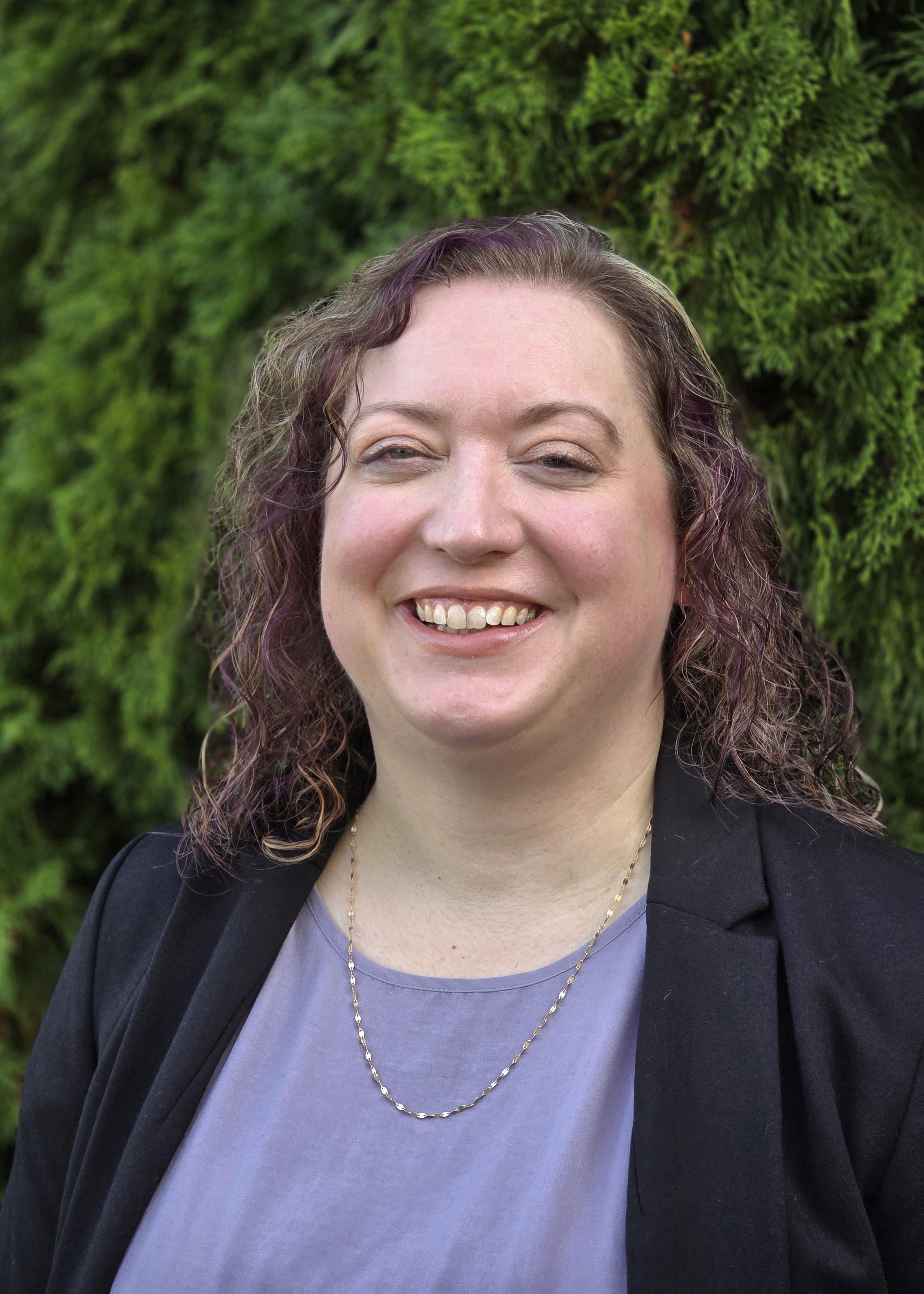
Associate Professor
Oregon State University
Corvallis, Oregon, United States
Publications at https://orcid.org/0000-0002-0179-598X
I obtained my Ph.D. in biology of reproduction using the ewe as a model to determine the mechanism by which progesterone inhibited binding of oxytocin to it's receptor in membranes of reproductive organs in the laboratory of Dr. Fredrick Stormshak. While in Dr. Stormshak's research group I also assisted and ultimately coordinated collaborative studies with Dr. Charles Roselli at Oregon Health & Science University to determine the organizing actions of testosterone on the male hypothalamus in rams during development. I then went on to a postdoctoral fellowship, where I conducted nonhuman primate research in an incredibly collaborative environment at the Oregon National Primate Research Center, where I collaborated with Dr. Mary Zelinski on studies involving grafting of ovarian tissues to orthotopic sites in rhesus monkeys as a nonhuman primate model for fertility preservation in women. These collaborations continued into my position as Assistant Professor of Animal and Rangeland Sciences at Oregon State University, and collaborations with Dr. Alison Ting, a former postdoctoral fellow in Dr. Zelinski's research group at ONPRC. My Ph.D. research allowed me to gain expertise in use of the ewe as a model for human fertility, and for the past few years I have collaborated with Dr. Ting on studies of ovarian cryopreservation and transplantation in ewes. My Ph.D. was conducted in uterine tissues; this has allowed me to look at the interactions between the ovary and the uterus to provide a more complete picture as to the effects of different in vivo experimental designs on reproductive tissues as a whole. My long-term career goals are to conduct collaborative research with other health professionals to translate basic research in animal models into improved fertility, fertility control, and health of women. My diverse experiences ranging from whole animal physiology to molecular aspects of reproduction and the interactions between hormones, receptors, and genes have allowed me to actively participate in and conduct research which advances the field of female reproductive health.
Contributions to Science:
1. To further investigation into the intersection between cell types in the ovarian follicle contributing to formation of a dominant follicle with a high-quality oocyte, and the formation of the highly functional corpus luteum, I have begun collaborations with experts in in vitro culture systems for ovarian follicles and engraftment of ovarian cortex in non-heterotopic sites. These studies will provide the foundation for further research into the intersection between steroidogenic and vascular cell types, and their secreted products, and ovarian biology.
2. My graduate studies were mainly focused on identifying the process by which the ovarian steroid progesterone was able to rapidly inhibit oxytocin signaling in the endometrium of the uterus, using a ovine model.
3. During my postdoctoral fellowship in the laboratory of Dr. Richard Stouffer, I applied microarray technology to interrogate local actions of steroids and gonadotropins to impact the structure and function of the primate corpus luteum. These studies have provided a basis for further investigation into newer areas of luteal biology including the interface between the immune system and ovarian function.
4. As part of investigations into the structure and function of the primate ovary and uterus, I collaborated with uterine biologists and imaging specialists to explore use of minimally invasive technologies such as 3D/4D ultrasound and contrast-enhanced ultrasound and developed protocols to evaluate antral follicle growth across time and changes to blood flow and volume within the uterus and the ovary during the menstrual cycle.
5. As part of my continuing interest in the local and systemic actions of steroid hormones and relation to female health, I have been part of a large collaboration devoted to development of a monkey model of polycystic ovarian syndrome (PCOS). Within this collaboration I evaluated the effects of mildly elevated testosterone on menstrual cycle characteristics, ovarian follicle cohort, and ovarian morphology. These studies provided the foundation for a larger National Center for Translational Research in Reproduction and Infertility (NCTRI) awarded to our research group at ONPRC in collaboration with clinical scientists at UCLA from 2012-2023.
Disclosure information not submitted.
Ovine Model of Whole Ovary Vitrification for Cryopreservation: Ovarian Function Post-Transplantation
Thursday, July 31, 2025
10:30 AM - 11:00 AM EDT