
Chair for Biotechnology and Reproduction in Farm animals
University of Goettingen
Göttingen, Niedersachsen, Germany
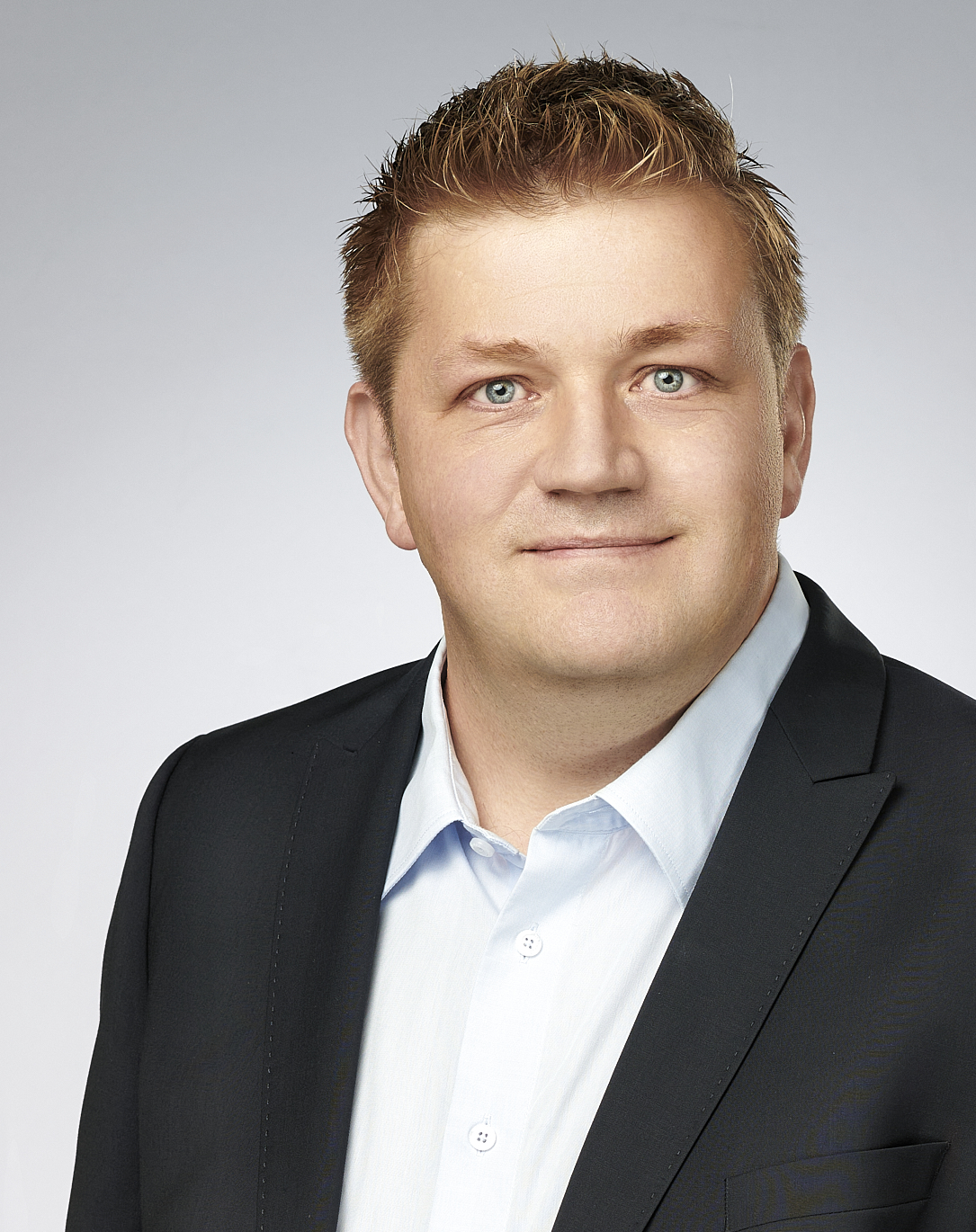
Prof Michael Hoelker, is a full professor of "Biotechnology and Reproduction of Farm Animals" in the Department of Animal Sciences at the Georg-August University in Goettingen. Prof Hoelker received his doctorate from the University of Veterinary Medicine Hanover in 2003, and in 2005 he took up a post-doctoral position at the Rheinische Friedrich-Wilhelms-University of Bonn in the Department of Animal Breeding and Animal Husbandry. From 2009, he headed the insemination station of the Reproduction Biotechnology Laboratory at the Frankenforst Teaching and Research Station and from 2014 as Scientific Director of the Frankenforst Teaching and Research Station of the Institute of Animal Sciences at the Rheinische Friedrich-Wilhelms-University of Bonn. In 2014, he also habilitated in the subject of "Animal Breeding – Reproductive Biotechnology" and was awarded the venia legendi for this subject as a faculty member at the Rheinische Friedrich-Wilhelms University of Bonn until he accepted an appointment at the Georg-August University of Goettingen and took over the Chair of "Biotechnology and Reproduction of Farm Animals" in 2021.
Prof. Hoelker is an internationally recognised expert in the field of assisted reproductive biotechnologies with more than 20 years of expertise in the field of in vitro fertilisation and in vitro production of bovine embryos. This is documented in particular by more than 120 (co-) authorships in peer-reviewed articles, mostly in the context of the use of the in vitro model in cattle, as well as multiple invitations to give guest lectures at national and international specialist conferences.
Prof Hoelker's research focuses on the understanding of fertility in cattle on the paternal (spermatology) and maternal (oocyte maturation and pregnancy) side as well as the understanding of early embryonic developmental competence. In this regard, Prof Hoelker has been researching embryo-specific characteristics and molecular mechanisms for more than 20 years, which on the one hand are a consequence of specific environmental and physiological conditions and on the other hand can serve as an indicator for later embryonic development. His current research focuses in particular on the energy metabolism of sperm and oocytes/embryos as well as metabolic adaptation mechanisms against oxidative stress.
Disclosure information not submitted.
Thursday, July 31, 2025
10:00 AM - 10:30 AM EDT