
Regular Abstract Submission
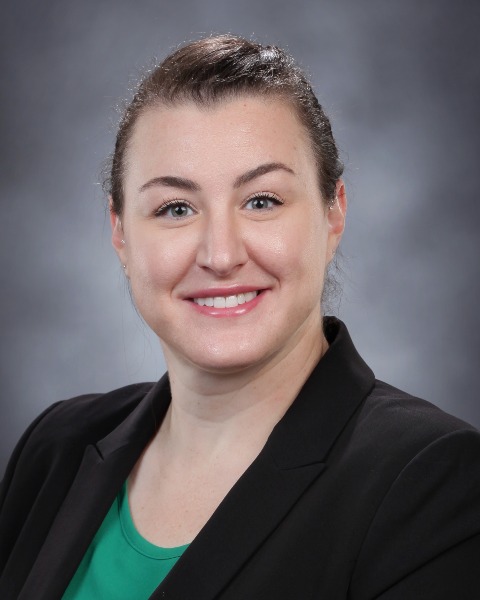
Danielle M. Sosnicki, MS, PhD
Postdoctoral Fellow
Smithsonian's National Zoo and Conservation Biology Institute, United States
Danielle M. Sosnicki1; Pierre Comizzoli1
1. Department of Reproductive Sciences, Smithsonian’s National Zoo and Conservation Biology Institute, Washington, DC, USA
Abstract Text:
Preserving viable somatic cells for the long term is essential to enhance biotechnologies such as somatic cell nuclear transfer and generation of induced pluripotent stem cells. Cryopreservation is currently the gold standard for long-term preservation of cells in biorepositories. However, this method is reliant on constant ultra-cold storage to preserve cell viability which is costly in terms of energy, equipment, infrastructure, and maintenance. Therefore, dry preservation associated with long-term storage of viable cells at ambient temperatures is a more affordable option that is worth exploring. The objective of this pilot study was to develop a protocol of microwave-assisted drying using domestic cat primary fibroblasts cultured out of reproductive tract tissue obtained from spay and neuter clinics. The first step was to optimize the conditions of electroporation (EP) to incorporate trehalose (a natural sugar that protects the cell structures and functions during drying) into the cells. A total of 27 combinations of pulse strength (120 V, 140 V, and 160 V), pulse length (15 ms, 20 ms, and 25 ms), and number of pulses (1, 2, or 3) were tested on 100 µl of cell suspensions containing approximately 1.5 x 10⁶ cells/ml in EP buffer (0.3M trehalose in DMEM/F12) using 0.2 cm electroporation cuvettes. Aliquots of the same cell suspension that were not electroporated served as controls.
After a 15-minute recovery at 37°C, cell viability was determined by Trypan Blue staining to identify which combinations led to an optimal range of 50-60% viable cells. Ten EP conditions yielded viability in this desired range: 1) 120 V, 25 ms, 2 pulses; 2) 120 V, 25 ms, 3 pulses; 3) 140 V, 15 ms, 2 pulses; 4) 140 V, 15 ms, 3 pulses; 5) 140 V, 20 ms, 2 pulses; 6) 140 V, 20 ms, 3 pulses; 7) 160 V, 15 ms, 1 pulse; 8) 160 V, 15 ms, 2 pulses; 9) 160 V, 15 ms, 3 pulses; and 10) 160 V, 20 ms, 2 pulses. These 10 EP conditions were further evaluated to determine if any allowed for more intracellular delivery of trehalose. This was performed by adding propidium iodide (PI) to the EP buffer as a similarly sized proxy for trehalose and then measuring and comparing fluorescence intensity of PI in live cells. The EP condition of 160 V, 20 ms, and 2 pulses led to the greatest intensity of PI into the cells (P < 0.05) compared to the other conditions. Based on those results, that EP condition was used to load cells with trehalose as described above prior to microwave-drying a 20 µl aliquot using a SAM 255 microwave set at 20% power for 20 minutes with a temperature limit of 40°C. After rehydration, cell viability (Trypan Blue staining) and DNA integrity (TUNEL assay) were assessed for fresh cells without any EP or drying (fresh controls), cells that had undergone EP but not drying, and cells that had undergone EP, drying, and rehydration. Although cells were not viable after drying, the amounts of DNA damage in cells were not different (P >0.05) between fresh controls, electroporated cells, and cells that were electroporated and dried indicating limited DNA damage induced through the EP and drying process. These preliminary findings are an encouraging starting point to develop a future drying protocol maintaining cell structure and function during long-term storage at ambient temperatures.