
Regular Abstract Submission
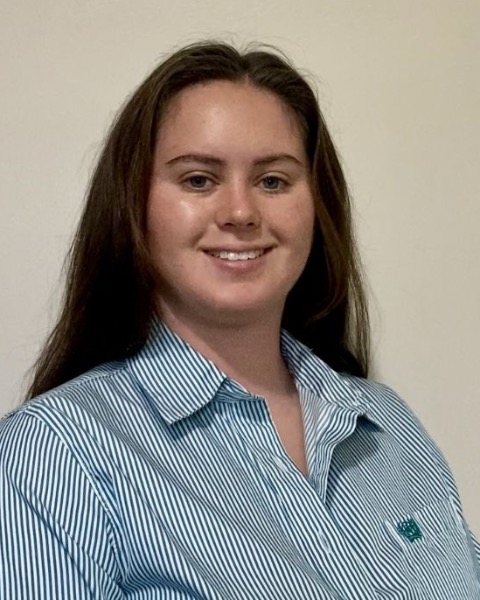
Erica Mantle, Master’s Student
Researcher
University of Missouri
Boonville, Missouri, United States
Erica Mantle1; Natalie Zelenkova3; Barbora Klusckova3; Chloe Gardner1; Peter Sutovsky1,2
1Division of Animal Sciences, and 2Department of OBGYN and Women’s Health, University of Missouri, Columbia MO; 3Czech University of Life Sciences, Prague, Czechia.
Abstract Text:
Commonly across mammal species, paternal mitochondria and mitochondrial DNA (mtDNA) encoded genes are not inherited by offspring. After fertilization, sperm mitochondria are tagged and recycled by the orchestrated ubiquitin dependent proteolysis and autophagy/mitophagy. This process is crucial for healthy offspring development. Failure to properly tag and discard paternal mitochondria can result in protein build-up disorders, infertility, or offspring with paternally contributed mitochondrial disease. In addition to previously studied pro-autophagic factors, such as ubiquitin binding factor sequestosome 1 (SQSTM1), we hypothesize that additional pro-autophagic proteins and pathways regulate and facilitate the degradation of paternal mitochondria post fertilization. Furthermore, we anticipate that the association of these mitophagy-promoting factors with the sperm mitochondria occurs in parallel with the onset of sperm nucleus remodeling into a paternal pronucleus. To identify and characterize potential protein candidates, the porcine in vitro fertilization model (IVF) and the novel mammalian cell free system (CFS) were utilized to phenotype such targets. The IVF model can provide key insight to early fertilization stages relevant to in vivo development. The CFS was designed to mimic fertilization by coincubating demembranated spermatozoa and oocyte cytosol, while optimizing time and maximizing the number of spermatozoa as biological units of observation per trial. Our recently published proteomic mass spectrometry study using the CFS found 185 proteins with statistically different abundance on spermatozoa pre and post oocyte extract exposure. The present study was conducted to the proteins that were specifically found on spermatozoa after oocyte exposure, which are likely to include pro-mitophagic factors. Target proteins were selected based on their quantity before vs. after CFS exposure, known mitophagy roles, or known association with somatic cell mitochondria. These included optic atrophy 1 (OPA1), associated with mitophagy, and nucleoplasmin 2 (NPM2), implicated in pronuclear development. The OPA1 was detected in IVF zygotes, located in the oocyte cytoplasm, while NPM2 was detected in CFS sperm cells. Both were detected by commercially available antibodies. The CFS exposed spermatozoa were also tested with fluorescently conjugated wheat germ agglutinin (WGA; marker of nuclear envelope assembly around sperm nuclei) and antibodies detecting the proteins that are imported in the sperm nuclei during sperm decondensation and paternal pronucleus formation (e.g., histone H2A, WBP2NL, HDAC4). We observed the OPA1 protein within the oocyte cytoplasm in zygotes after IVF, with an increase of fluorescence intensity in the later time points. This indicates that OPA1 is an oocyte derived protein with possible autophagic function, consistent with its established function as a mitochondrial fusion regulator. The NPM2, a known chaperone to bind histones to DNA and an essential protein for pre-implantation embryo development, was found to act as a marker for sperm decondensation during the CFS. Further investigation into these proteins with the addition of specific inhibitors of mitophagy and mitochondrial fission/fusion is underway, that will aid in the understanding of post-fertilization sperm mitophagy and its potential failures associated with heteroplasmy and mitochondrial disease. There is an increasing need to understand the mechanisms of paternal mitophagy, oocyte function, and early development to advance assisted reproductive technologies. Study funded by USDA-NIFA grant number 2021-67015-33404 (PS), seed funding from CAFNR, University of Missouri (PS) and CAFNR Matching Assistantship Program (CMAP) graduate scholarship (CG).