
Invited Speaker Abstract Submission
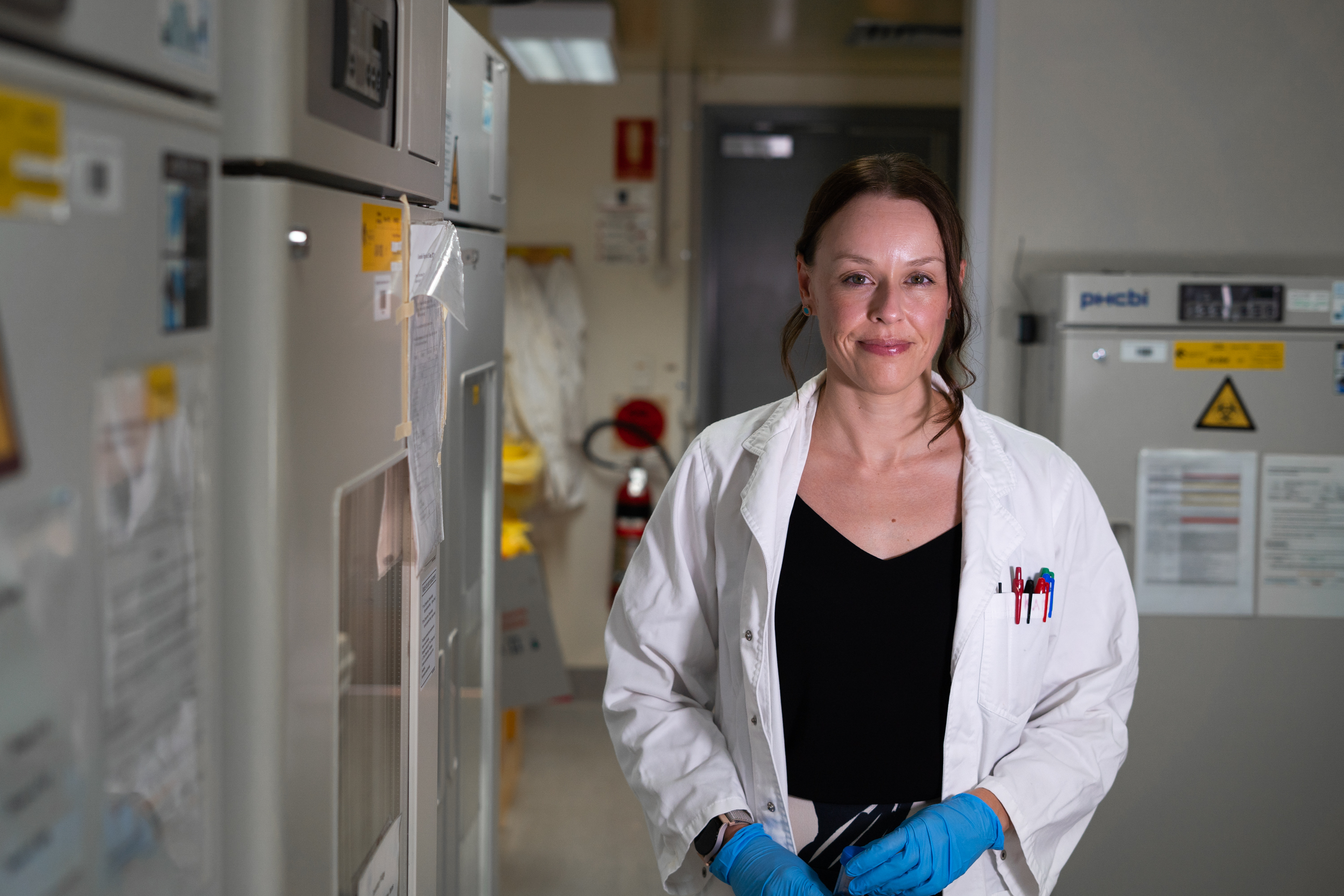
Tessa Lord, PhD
Senior Lecturer in Biological Sciences
University of Newcastle
Callaghan, New South Wales, Australia
Tessa Lord1,2, Katerina B. Damyanova1,2, Brett Nixon1,2, Jon M. Oatley3, Connor Cason1, Ilana R. Bernstein1, David A. Skerrett-Byrne1,2,4,5
1 Discipline of Biological Sciences, College of Engineering, Science and Environment, The University of Newcastle, Callaghan, NSW, 2308, Australia
2 Infertility and Reproduction Program, Hunter Medical Research Institute, New Lambton Heights, NSW 2305, Australia.
3 School of Molecular Biosciences, Centre for Reproductive Biology, College of Veterinary Medicine, Washington State University, Pullman, WA, 99164, USA
4 Institute of Experimental Genetics, Helmholtz Zentrum München, German Research Center for Environmental Health Neuherberg, Germany.
5 German Center for Diabetes Research (DZD) Neuherberg, Germany.
Abstract Text:
In vitro pipelines using spermatogonial stem cells (SSCs) for fertility preservation are under development for childhood cancer patients who cannot produce a semen sample for cryopreservation. One approach is to reprogram patient-derived somatic cells into SSCs that could either be transplanted into the testis to restore spermatogenesis, or used to facilitate in vitro spermatogenesis and IVF. The success of such approaches is reliant on a comprehensive understanding of the molecular properties of SSCs and pathways governing their fate. Historically, however, the characteristics of SSCs have been elusive given the rarity of this population of cells in the testis, and a lack of specific markers for their isolation. With the advent of single cell RNA sequencing technologies an abundance of transcriptomic data has become available for SSCs in the past decade. However, it is important to acknowledge that several additional layers of regulation exist beyond transcript expression that determine cell fate and identity, particularly given that transcript abundance is frequently discordant with protein abundance and protein activity (controlled by post-translational modifications). Additionally, it has become clear that other factors such as cell metabolism can directly impact cell fate. This project aimed to generate new knowledge on the proteomic, phosphoproteomic and metabolomic signatures that dictate SSC self-renewal and differentiation.
Here we used an Id4-eGfp transgenic mouse line to capture populations of mouse SSCs and progenitor spermatogonia, producing a phosphoproteomic database using the EasyPhos platform. Proteomic analysis identified more than 8,500 proteins, >500 of which were differentially expressed (foldchange ±1.5, p ≤ 0.05), with key identifiers being upregulated in SSCs (e.g. LHX1, GFRA1). In overlaying the proteome with RNAseq data, a discordance between RNA and protein expression was clear (Pearson R2=0.236) highlighting the need for caution when interpreting transcriptomic data as a proxy for protein activity/function. Analysis of the phosphoproteome identified >1,800 phosphoproteins: 60 significantly increased in SSCs, and 257 in progenitors. To predict novel upstream regulators from our datasets we used Ingenuity Pathway Analysis (IPA). Candidates included master kinases (e.g. BUB1) for which we have performed pharmacological inhibitor studies to further confirm their role in the SSC-to-progenitor transition as well as in maintenance of cell integrity, including protection from DNA damage and apoptosis.
To study cell metabolism we began by exploring our proteomic database, identifying 122 differentially expressed proteins related to glycolysis, oxidative phosphorylation and mitochondria in SSCs versus progenitors. A comparison of mitochondrial properties also identified a significant increase in mtDNA copy number in progenitor spermatogonia (P < 0.05) and altered mitochondrial morphology. Finally, we have determined that SSCs preferentially reside in hypoxic microenvironments in vivo, which drives the utilisation of glycolytic metabolism and sustains their self-renewal capacity. However, unlike other stem cell types that continue to utilise glycolytic metabolism in the presence of O2 (‘Warburg effect’), we have established that SSCs have substantial capacity to divert to oxidative metabolism upon exposure to atmospheric O2 which likely contributes to reduced stem cell maintenance over extended culture time. This is an important consideration when trying to reprogram or maintain these cells for in vitro technologies.