
Invited Speaker Abstract Submission
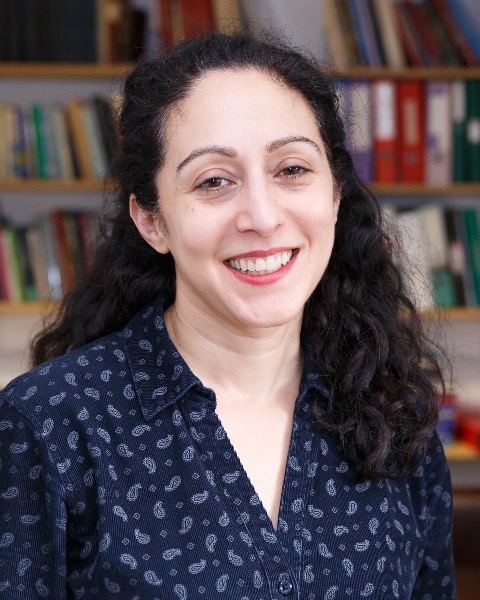
Kathy Niakan, PhD
Professor
University of Cambridge
Cambridge, England, United Kingdom
Despite their fundamental biological and clinical importance, the molecular mechanisms that regulate the first cell fate decisions in the human embryo are not well understood. The central question we address is what are the molecular mechanisms that regulate early cell fate choices in human embryos. We are using CRISPR/Cas9-mediated genome editing, TRIM-Away protein depletion, dominant negative mutations and small molecules to dissect the function of genes during human embryogenesis. These methods have enabled us to uncover the role of cell polarity and differential Hippo signalling in the first cell fate decision in humans, namely differentiation of placental progenitor cells from unspecified cells. We also demonstrated the role of FGF signalling in the second cell fate decision which is the differentiation of yolk sac progenitor cells. Our work has also uncovered a high frequency of unintended on-target mutations following genome editing in human primary cells. By integrating signalling insights from human blastocysts we have defined human embryonic stem cell culture conditions that more closely recapitulate the embryonic niche. Understanding the mechanisms underlying these earliest stages of development is essential to clinical intervention for infertility, miscarriages, pregnancy complications and developmental disorders. Understanding the molecular mechanisms regulating development of human embryonic cells is also essential to optimize the generation of stem cell lines used in regenerative medicine.