
Immunology of Reproduction
Session: Poster Session C
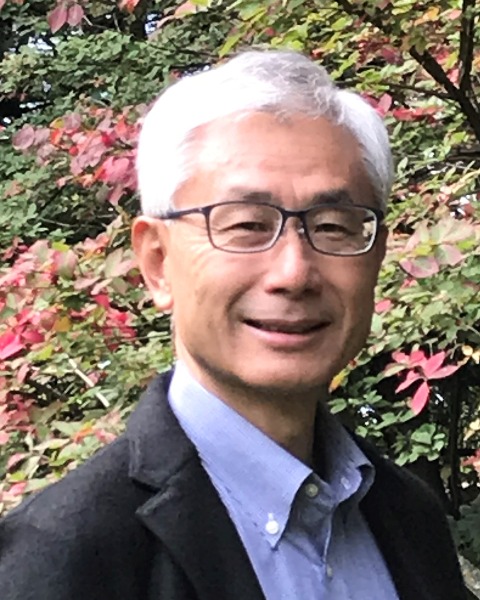
Akio Miyamoto, PhD
Professor
Global Agromedicine Research Center (GAMRC), Obihiro University of Agriculture and Veterinary Medicine, Obihiro, Japan
Obihiro, Hokkaido, Japan
Akio Miyamoto1, Malinda Hulugalla1, Alireza Mansouri1, Konatsu Sakai1, Ihshan Akthar1
1 Global Agromedicine Research Center (GAMRC), Obihiro University of Agriculture and Veterinary Medicine, Obihiro, Japan
Abstract Text:
Artificial insemination (AI) in cattle involves the deposition of semen diluted in an extender, containing minimal seminal plasma (SP) and sperm. While sperm are known to induce a physiological uterine inflammatory response primarily through Toll-like receptor (TLR) 2/1 signaling, the immunomodulatory effects of the extender and SP components remain poorly understood. This study investigated the immunological effects of egg-yolk-based cryopreserved semen extender (SE) and SP, both independently and in combination, on bovine endometrium. Three experimental models were employed. The effects were considered significant at p˂0.05. First, the bovine endometrial epithelial cells (BEECs) were exposed to SE, with or without sperm. Both SE alone and SE combined with sperm upregulated mRNA expression of NFKB2, TNF, IL1B, CXCL8, TLR2, TLR1 and NLRP3. Moreover, sperm and SE downregulated NOD1 without modulating TLR4. The SE also induced the protein expression of TNF and TLR2, while suppressing NOD1 in the uterine epithelium, similar to sperm. Further, TLR2/1 blockage in the BEECs did not upregulate the inflammatory cytokines when exposed to SE alone. In silico analysis suggested that triglycerides, the major component of egg yolk, may interact with TLR2/1. Second, the impact of SP in SE was examined. Fresh SP was mixed with SE to prepare sperm-free frozen straws. The SE with 20% SP (resulting in a 2% final SP concentration in culture) increased mRNA expression of typical inflammatory markers compared to SE alone, specially inducing TLR2 and TLR1 and downregulating NOD1 without affecting TLR4. SP in SE did not affect the viability or apoptotic cell marker, CASP3. Third, BEECs were exposed to low SP concentrations (˂0.5%), as higher concentrations negatively impacted RNA integrity and BEEC viability. Both 0.5% SP alone and in combination with sperm enhanced TNF, CXCL8, and TLR2 expression. The combined treatment also upregulated TLR4. These findings demonstrate that egg yolk-based cryopreserved extender and low concentrations of seminal plasma, both alone and in combination, induce a mild inflammatory response in BEECs, mainly via TLR2 signaling. The proposed mechanism involves initial TLR2 sensing of molecular patterns, leading to NFKB activation and pro-inflammatory cytokine production. These cytokines may then suppress the NOD1 through a negative feedback loop, potentially limiting NFKB activation to maintain immune homeostasis. This observed NOD1 downregulation by sperm, extender, and seminal plasma may contribute to a controlled immune response, crucial for preparing the endometrium for implantation without excessive inflammation, potentially facilitating beneficial innate immune crosstalk between sperm and the endometrium during AI. Understanding the underlying mechanism of this phenomenon is considered to be important for the development of technologies that utilize physiological immune responses related to bovine fertility after AI. Work supported by JRA.