
Ovarian Function/Dysfunction
Session: Poster Session C
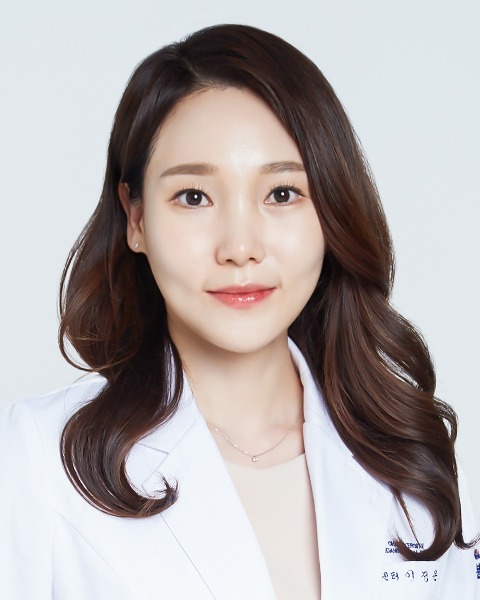
Jeong Eun Lee, MD, OB/GYN Specialist
Professor
Fertilility Center of CHA Bundang Medical Center, CHA University School of Medicine, Seongnam, Republic of Korea
Seoul, Republic of Korea
Jeong Eun Lee1, Ji Won Lim2, Han Seul Yang2, Ji Hyang Kim1*
1 Fertility Center of CHA Bundang Medical Center, College of Medicine, CHA University, Seongnam, Republic of Korea
2 Department of Biological Sciences, KAIST Stem Cell Center, Korea Advanced Institute of Science and Technology, Daejeon, Republic of Korea
Abstract Text:
Introduction: Premature Ovarian Insufficiency (POI) represents a significant reproductive challenge with limited therapeutic options. This study investigates the regenerative potential of human umbilical cord mesenchymal stem cells (hUC-MSCs) in a cyclophosphamide (CP)-induced POI mouse model.
Methods: Following CP administration (200 mg/kg), female ICR mice received varying doses of hUC-MSCs (low: 5.33×10⁴, moderate: 8×10⁴, or high: 1.07×10⁵ cells/mouse) via tail vein injection. Ovarian function was assessed through histological analysis, apoptosis assays, AMH immunostaining, in vitro fertilization outcomes, and single-cell RNA sequencing.
Results: Histologically, hUC-MSCs restored ovarian architecture and follicular populations in a dose-dependent manner, with a 77% increase in primordial follicles in the high-dose group. TUNEL assays demonstrated significant reduction in apoptotic cells, while AMH immunostaining showed restored expression patterns in granulosa cells. In vitro fertilization outcomes exhibited substantial enhancement, with high-dose treatment restoring fertilization (73.4%) and blastocyst development rates (73.9%) to near-control levels. Single-cell RNA sequencing identified upregulation of wound healing and extracellular matrix remodeling pathways in epithelial cells (Col3a1, Col1a2), enhanced intercellular communication networks, and VEGF-related angiogenic pathways in stromal cells.
Conclusion: hUC-MSCs therapy effectively reverses CP-induced ovarian damage through multiple regenerative mechanisms.
Discussion: This study provides unprecedented insight into hUC-MSCs' multi-faceted therapeutic mechanisms in ovarian regeneration, offering promising implications for treating chemotherapy-induced POI and advancing fertility preservation strategies.